Why I Left Facebook and WhatsApp 🇳🇱 Nederlands
(and why you should think about it)
Background
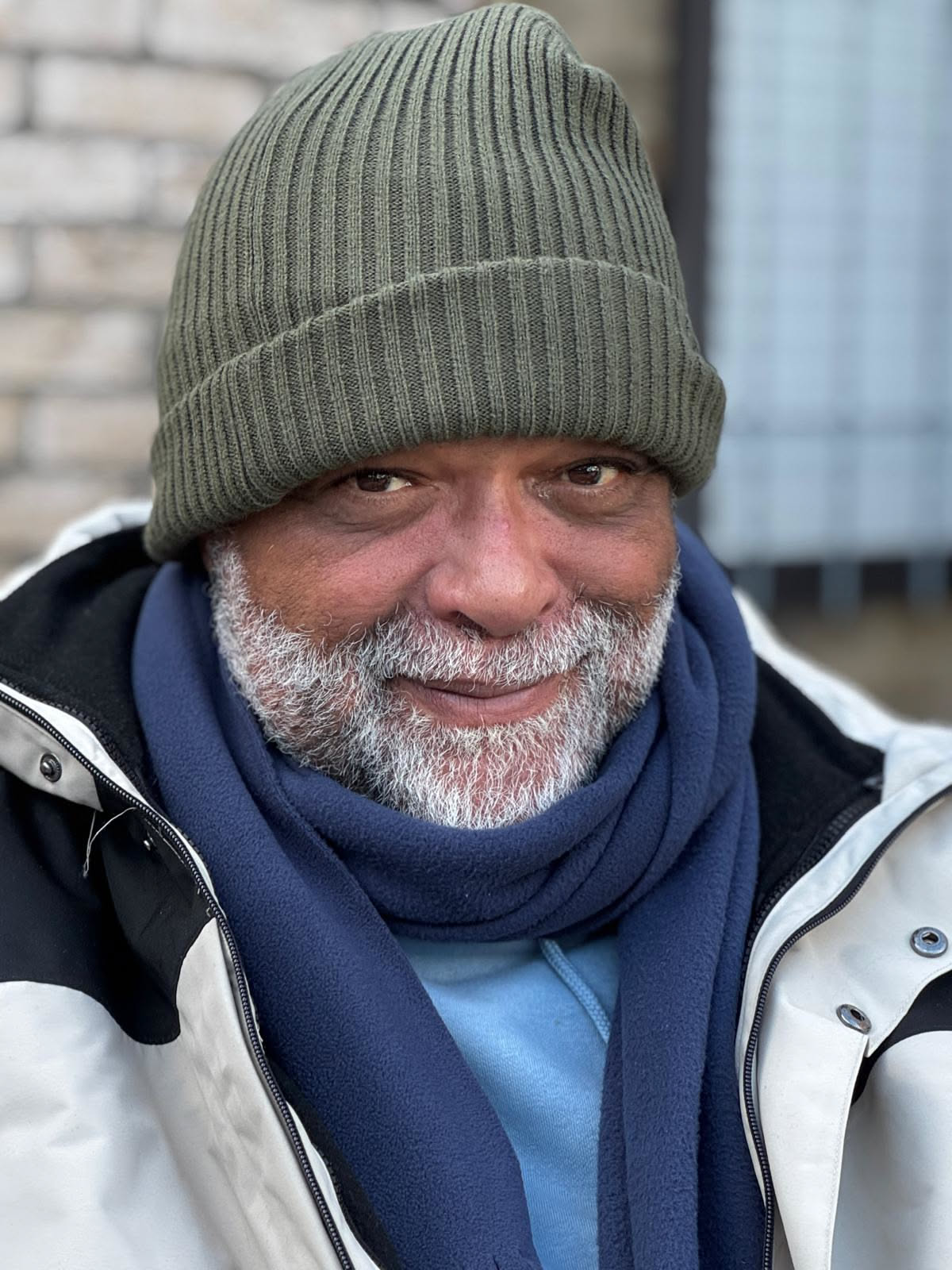 I am 60 and have worked with computers since I was 15. In 1995, when the internet became widely available in the Netherlands, I started a small internet service provider aimed at the non-profit sector, because I believed that often underfunded non-profit organisations deserved IT services at the highest level.
I have lived in Curaçao since 2002. Here, Facebook is one of the main means of public and private communication—unlike in many other countries. Political debate, pictures of newborn babies, and selling things on Marketplace are very common. Leaving Facebook was not a small step.
I am 60 and have worked with computers since I was 15. In 1995, when the internet became widely available in the Netherlands, I started a small internet service provider aimed at the non-profit sector, because I believed that often underfunded non-profit organisations deserved IT services at the highest level.
I have lived in Curaçao since 2002. Here, Facebook is one of the main means of public and private communication—unlike in many other countries. Political debate, pictures of newborn babies, and selling things on Marketplace are very common. Leaving Facebook was not a small step.
Leaving Facebook
 I quit Facebook, but I still feel a loss of connection and information. At least once a week I see something or I snap a picture and I think to myself: too bad I can’t share it on Facebook for others to see. That feeling shows how much these platforms have become part of daily life—and how much power they hold.
Leaving WhatsApp
 More than a year ago I also wanted to leave WhatsApp. Many of the same reasons apply.
The main concerns are:
More than a year ago I also wanted to leave WhatsApp. Many of the same reasons apply.
The main concerns are:
- Connection data — who talks to whom, how often, and when. This metadata is not encrypted and can be collected and used.
- AI in WhatsApp — Meta has integrated AI (e.g. search and assistant features). Many people think it’s useful, but anything you type in the search box will be sent to the cloud. That data helps build a detailed user profile, which is used to place ads on Meta’s platforms and beyond. So “your” data feeds profiling and advertising.
Your data isn’t your data. It’s encrypted—which is good for privacy from outsiders—but it’s nearly impossible to extract and keep for yourself.
Saving Chats: Why It’s So Hard
The messages are encrypted, and that is good for privacy from outsiders, but it’s nearly impossible to extract and keep for yourself. I wanted to save all my chats—all my data. But even with 45 years of IT experience, it is quite difficult to get your messages out of WhatsApp in a usable form. After a year of postponing, I finally decided to let go of thousands of messages and conversations. I kept only 5 or 6 chats (mostly family) and let the rest disappear. That was a conscious, and hard, choice.
Why This Matters for Everyone
Social media and messaging apps use your behaviour and data to build profiles. Those profiles are used for advertising, but they can also be used by authoritarian or fascist governments to monitor, target, and restrict people and take away freedoms. Once the data exists and is accessible to companies or states, it can be misused. I urge everyone to read, listen to, or watch some of the links below—and to look for more on how your data is used and how it can be abused by those in power.If you are too lazy or too busy to follow any of the links below, then at least follow this one: Data and the Democratic Rule of Law (Bert Hubert) (Dutch).
Data and the democratic rule of law: why our WWII-based sense of privacy is fading, how mass data collection endangers both privacy and safety, and why oversight alone cannot protect us—or future regimes—from abuse. By a former AIVD/MIVD overseer.
Read, Listen, Watch
- Why the Netherlands is switching to Signal: privacy first, no metadata collection, funded by donations. WhatsApp shares metadata with Meta; Signal does not.
From WhatsApp to Signal: why the Netherlands is switching (Frankwatching) (Dutch) - The Dutch government depends too much on American tech—and that is risky, especially under an undemocratic U.S. administration.
The Dutch government is too dependent on American tech (De Correspondent) (Dutch) - Watch: how big tech and privacy intersect, and why it matters for everyone.
Video: privacy and big tech (YouTube) - Election debate on who controls technology: democracy, power, and the role of tech in society.
Election debate: Grip on Tech (Waag) (Dutch) - Signal remains a top choice for encrypted messaging: free, open-source, nonprofit, with strong E2EE and metadata protection—and why no messaging app is perfectly secure.
Why Signal is still our favorite secure messaging app (Wirecutter / NYT) - WhatsApp security issues and how phone numbers are exposed or misused.
WhatsApp security and phone numbers (The Independent) - International lawsuit accuses Meta of bypassing WhatsApp’s end-to-end encryption via internal systems that allegedly allow storage and analysis of user messages; Meta denies the claims.
2026 WhatsApp lawsuit: Meta’s encryption bypass exposed (Doolly) - Cory Doctorow’s term for how platforms deteriorate: they lock in users, then exploit them and business customers for maximum extraction—and what we lose in the process.
The “enshittification” of the internet (NPO) (Dutch) - Survey: most people want to quit social media but stay because they’re afraid of losing connection and content.
Nearly 78% want to leave social media but fear losing friends and posts (Kaspersky) - A growing, mostly unregulated use of social media by federal agencies raises serious civil rights and civil liberties concerns—especially for minorities and protesters.
Social media surveillance by the U.S. government (Brennan Center) - How governments use digital tools to monitor populations, manipulate information, and preempt or punish dissent—and how that infrastructure is built on data.
Digital authoritarianism: architecture of repression (Yale Macmillan)